
Behaviour

Why You Still Struggle With Food After Weight Loss
(And What No One Prepares You For After Fat Loss)
You lost the weight… so why does it still feel like this?
From the outside, it looks like you’ve figured it out.
The weight is down and your body has changed.
People probably assume you’re “disciplined now.”
But behind that?
You’re still thinking about food.
Still going back and forth in your head.
Still feeling that pull: especially at night, when you’re stressed, or when things feel heavy.
And this is the part we really need to talk about.
Losing weight doesn’t fix your relationship with food.
It just changes how your body looks.
The part most people miss…
Most weight loss methods: diets, tracking, injections; they all do one thing well:
They reduce how much you eat.
What they don’t touch is:
how you deal with stress
how you respond to emotions
the role food plays in your life
the patterns you’ve built over years
So yes, the weight can drop but the way you use food? That usually stays the same and at some point, it shows up again because nothing underneath actually changed.
“The noise went away… and now it’s back”
I hear this all the time, especially from people who’ve used injections:
“It was quiet for a while. I wasn’t thinking about food.
Now it’s all coming back.” That’s not random because while you’re losing weight, something else is holding structive and restrcition in place but eventually life normalises
And suddenly:
the stress is back
the triggers are back
the coping patterns are still there
So your brain goes to what it knows best .
Food.
And this happens because you don’t have another response built yet.
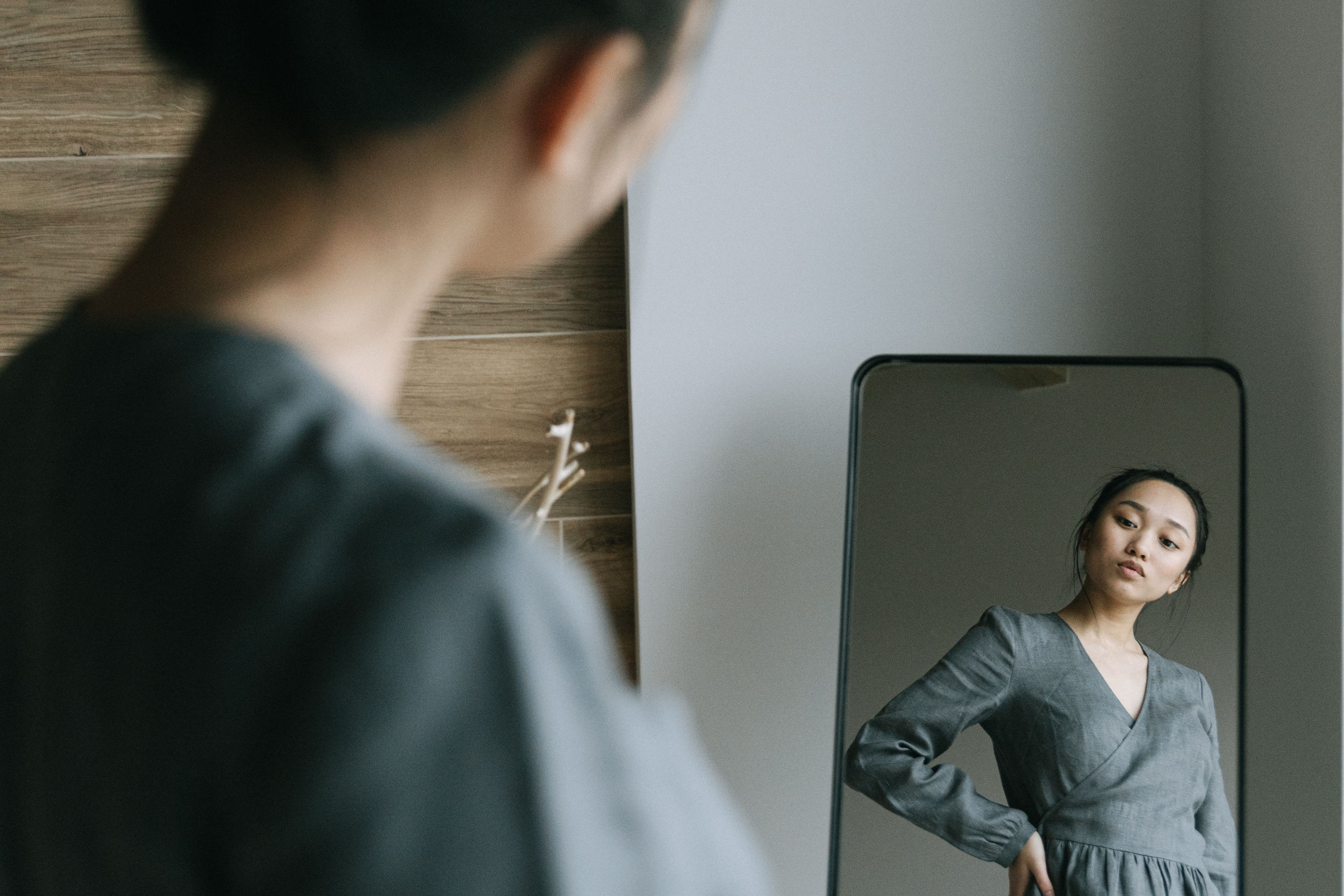
You changed your body but not how you see yourself
This is where things get uncomfortable.
Because if, deep down, you still feel like:
someone who struggles with food
someone who needs control to stay “on track”
someone who can’t trust themselves around certain foods
Then your behaviour will always feel shaky, you’ll always feel like you’re “holding it together.” That pressure tells us this shift is just physical, it has a lot to do with identity.
From:
“I need to control myself”
To:
“I understand what’s happening and I respond differently”
Why high performers get stuck here
This comes up a lot with high-functioning clients: You’re disciplined at work structured, focused, reliable but food feels like the one place where it slips and it’s frustrating because you know you can be consistent.
Its important to note that this is an emotional and behavioral issue and those don’t respond to more discipline they respond to understanding and regulation.
What’s actually missing
If your approach has been:
eat less
be stricter
avoid certain foods
stay “on plan”
Then you’ve been managing just the surface and not the pattern. The shift happens when you learn to:
catch what’s driving the urge as it’s happening
interrupt it before it turns into a binge or overeating
build other ways to deal with stress, boredom, discomfort
stop relying on food as your default response
That’s the work most people skip.
So what actually needs to change?
Most people already know what to do but when life gets busier, stress increases and structure drops they fall back into what’s familiar.
It’s time to learn how to respond differently and that looks like:
knowing your personal triggers
having structure that supports you (not traps you)
being able to sit with urges without acting on them
changing your response to stress, not just avoiding it
Because the goal isn’t just losing weight it’s not needing food in the same way anymore.

Final thought
If you’ve lost weight but still feel stuck with food…you haven’t failed.
You’ve just reached the part most people never address, the part where the real work starts.
If this hit a little too close, it’s probably not about food anymore.
It’s the pattern behind it.
That’s the work I do with clients privately; helping them change the way they respond, so this stops being a cycle they have to manage.